Credit Card Statement Balance: What It Means
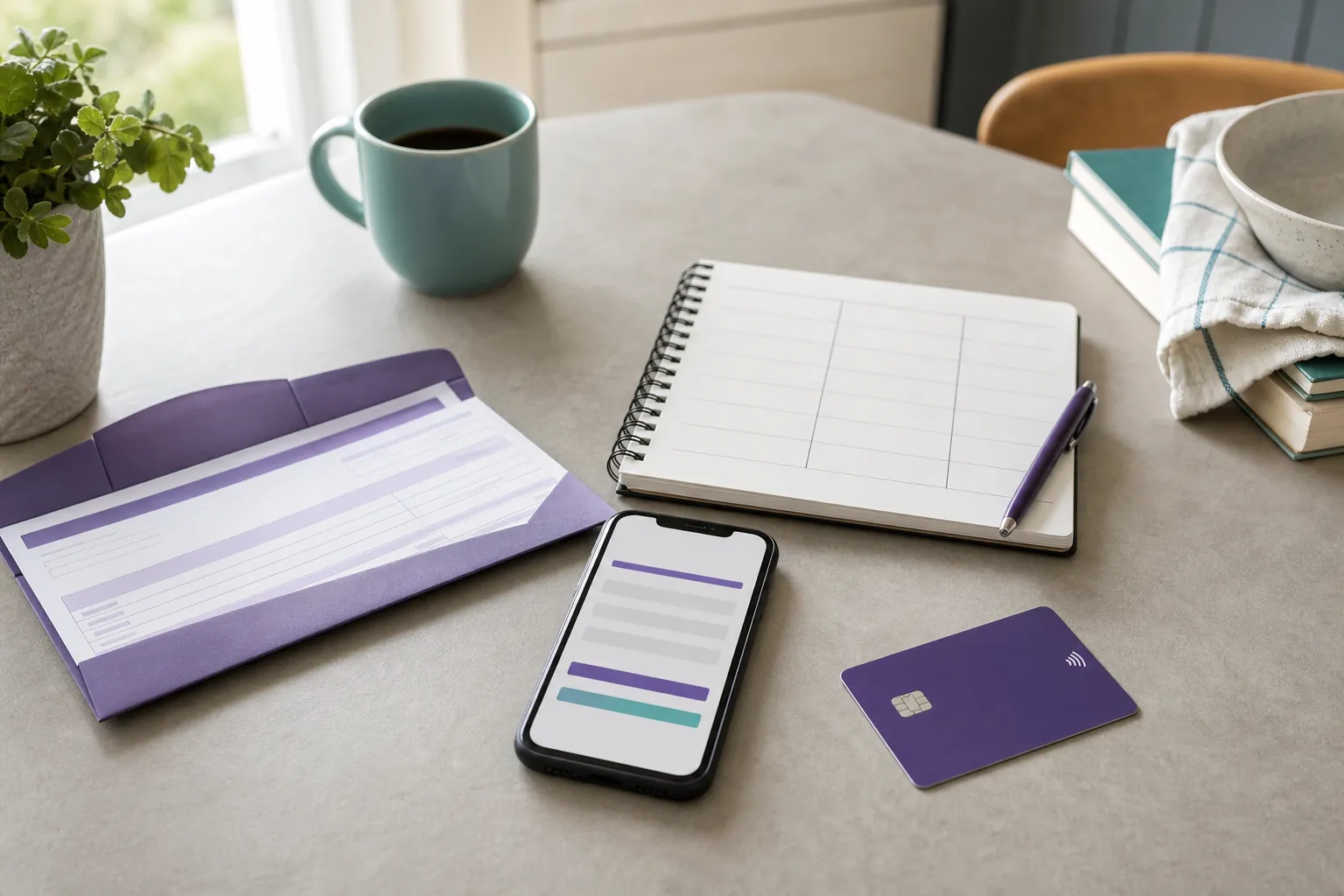
Your credit card statement balance is a monthly snapshot, not always the same as the figure you see when you open your app today. Knowing the difference makes it easier to pay on time, avoid surprises and spot something that needs checking.
A statement can contain a lot of numbers, but three deserve attention first: the balance on the statement, the minimum payment and the payment due date. This guide explains what each one means, how it connects to your current balance and what to do if paying in full is not realistic this month.
What is a credit card statement balance?
Your statement balance is the amount shown as owing when your card provider produced that month’s statement. It includes the transactions, payments, interest and charges that were applied during that statement period. Think of it as a dated bill, rather than a live running total.
Citizens Advice says a monthly statement should show your transactions, interest and charges, the amount due, the due date and the minimum payment. Check it carefully and tell the provider straight away if you believe something is wrong. Read Citizens Advice's guide to how credit cards work.
| Figure | What it tells you | Useful check |
|---|---|---|
| Statement balance | What the account showed as owing at the statement date. | Can you pay it in full by the due date? |
| Minimum payment | The least amount required under the agreement for that month. | Make sure it will arrive by the due date. |
| Current balance | What appears to be owed now, including newer activity. | Which spending happened after the statement date? |
| Available credit | How much of the credit limit remains available at that point. | Do not treat it as spare income. |
Statement balance versus current balance
The current balance can move every time a purchase, payment, refund, interest charge or pending transaction is processed. The statement balance does not change after that statement is issued. That is why the two numbers can be different without either one being a mistake.
For example, a statement produced on the 10th might show £300. If you spend £40 on the 12th and make a £100 payment on the 15th, the app may show a different current balance. The statement still records what was due for the earlier statement period. Always check your own statement and card terms before deciding how much to pay.
What should you pay each month?
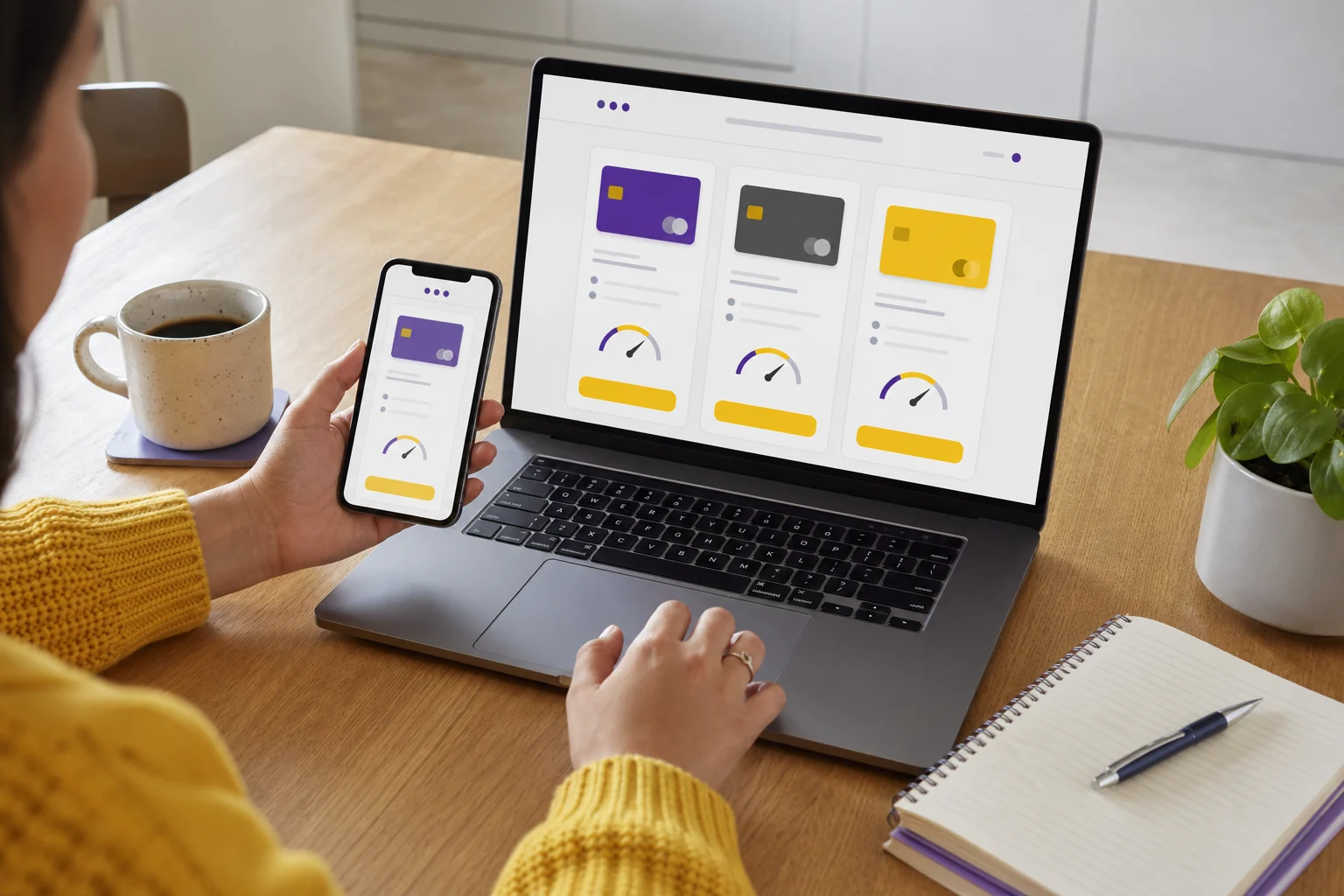
If your card has standard purchase terms and you can afford it, paying the statement balance in full by the due date will usually avoid interest on purchases. Cash withdrawals and special promotional arrangements can work differently, so use the agreement and your statement as the final word for your account.
MoneyHelper explains that a monthly card statement shows the balance, the minimum payment and the payment due date. It also notes that paying less than the full amount can lead to interest being added to the next statement, while cash withdrawals can attract interest even when the purchase balance is cleared. See MoneyHelper's simple guide to credit cards.
Why the minimum payment is not a repayment plan
The minimum payment is important because it is the amount you need to meet by the due date under your agreement. It is not a sign that the rest of the balance has gone away. Paying only the minimum can leave most of the balance in place, so interest may continue to build and the debt can take longer to clear.
If the minimum is all you can manage, do not ignore the situation. Look at what else is due before your next payday and contact the provider early if the payment is becoming difficult. A realistic conversation is more useful than waiting for a missed payment.
Interest, fees and promotional rates
A statement balance is more than a list of purchases. It can include interest, a late-payment fee, a cash transaction fee, a balance transfer amount or a promotional rate that is about to end. That is why it is worth reading beyond the total at the top of the page. The detail can explain why the amount due has changed, even if you have not spent much since the last statement.
Different parts of a card balance can have different rates and rules. A purchase offer, a balance-transfer offer and a cash withdrawal may not be treated in the same way. Do not assume an introductory rate applies to every transaction, or that it lasts indefinitely. Check the exact end date and the rate that will apply afterwards before you make another purchase or decide to leave a balance outstanding.
If you use your card for cash, take particular care. Cash transactions commonly have separate fees and interest terms. The safest approach is to look at the statement and the agreement instead of relying on a general rule you saw online. Where anything is unclear, ask the card provider to explain how the payment is being treated before you build it into your monthly budget.
Make the payment routine fit your payday
A good statement check is easier to keep up when the payment date fits the way you are paid. If your income arrives at a predictable time each month, ask the provider whether it is possible to move the payment due date to a point that gives you a little breathing room. Do not assume a change takes effect immediately. Confirm which statement it will apply to and check the next statement carefully.
A Direct Debit can be useful if you know there will be enough money in the account. Some people choose to set it to the full statement balance, while others set it to the minimum and make an extra manual payment when they can. The right choice depends on your cash flow. A full-balance Direct Debit is not helpful if it risks taking money needed for rent, food, energy or travel.
If you make a manual payment, keep a record until it appears on the card account. The card provider's app can show when the payment has been received, but processing times and cut-off times can differ. Paying close to the deadline leaves less room to resolve a problem, so give yourself time rather than treating the due date as a target to aim for at the last minute.
Common statement wording, in plain English
A billing period is the stretch of time covered by that statement. A statement date is the day the provider produced the bill. A payment due date is the date by which the required payment needs to reach the provider. An opening balance is what was carried into the period, while a closing balance is the amount shown at the end of it. Providers do not always use exactly the same labels, but the dates and figures should make the role clear.
A credit balance means the account is in credit, often because of a refund or an overpayment. A pending transaction may not yet be included in the final statement total. Available credit is not a recommendation to spend more. It is simply the part of the agreed limit that is not currently being used, and it can change as payments or transactions are processed.
A five-minute statement check
- Find the payment due date. Put it in your calendar and allow time for the payment to arrive.
- Check the statement balance and minimum payment. Decide what you can pay without leaving essential costs uncovered.
- Review every transaction. Compare unfamiliar merchant names with receipts, subscriptions and recent orders.
- Look for interest, fees and promotional dates. These can explain why the balance changed or warn you that a rate is ending.
- Compare it with your app. Separate older statement activity from newer spending, payments and refunds.
You do not need a complicated spreadsheet to do this. A few minutes with the statement, your app and a note of the month’s essential costs is often enough to make the next payment more deliberate.
If something on the statement does not look right
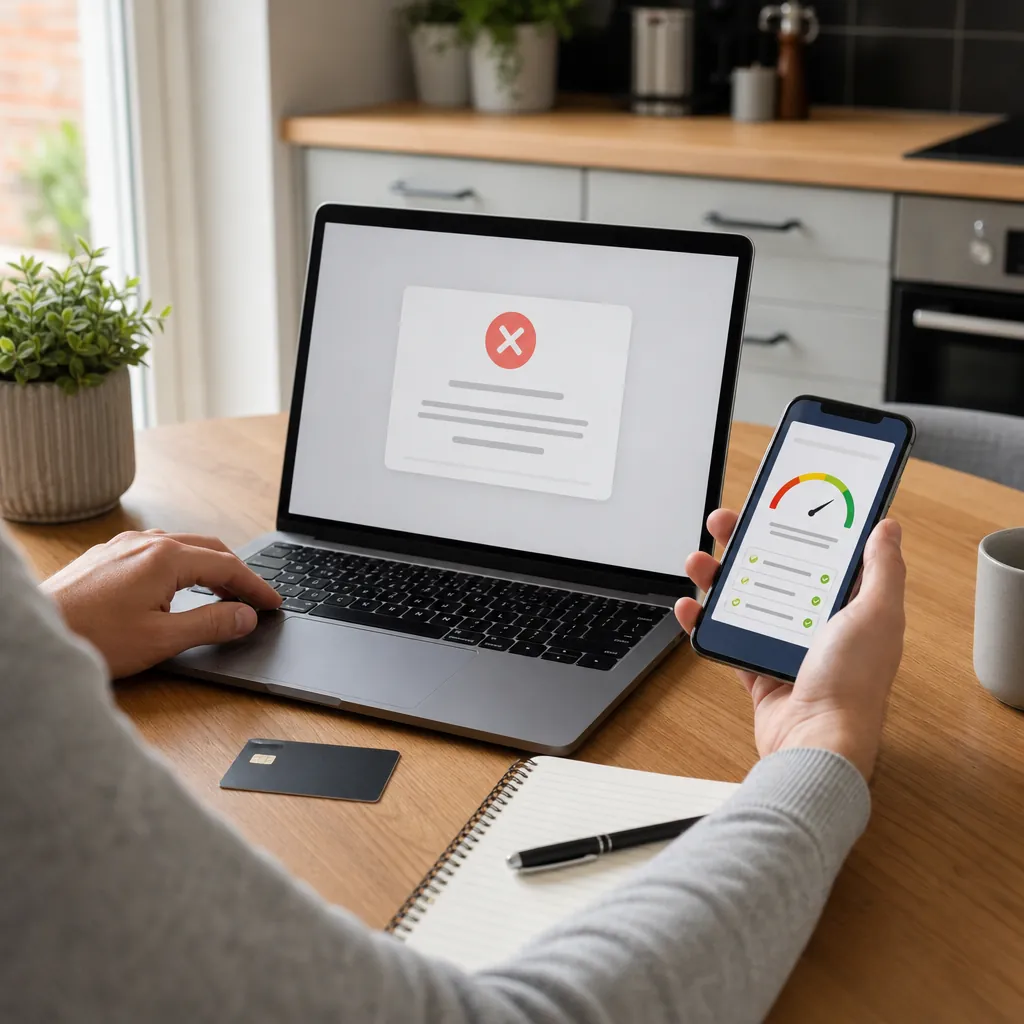
Start with the date, amount and merchant name. A trading name can differ from the name over a shop door, and a transaction can be linked to a subscription or order you have forgotten. Check receipts and emails before assuming it is fraud.
If you still do not recognise a transaction, or if a payment, refund, fee or interest charge appears wrong, contact the card provider promptly using a number or route you know is genuine. For an existing 118 118 Money account, the customer support page has the appropriate contact route.
When the full balance is not affordable
Do not use another card or loan as an automatic way to cover a growing card balance. First work out what income is coming in, what essential bills are due and what you can realistically pay. If you are already missing payments, using credit for essentials or juggling several debts, independent debt advice can help you see the full picture.
MoneyHelper has free guidance on reducing borrowing and speaking to creditors. If you are worried about an upcoming or missed card payment, our guide to what to do after a missed credit card payment explains the practical first steps.
Need help understanding your 118 118 Money card?
Use the FAQs for general card information or contact support about an existing account. Keep the statement nearby so you can refer to the exact date, amount and transaction.
Frequently asked questions
What is a credit card statement balance?
It is the amount your card account showed as owing when the statement was produced. It covers the statement period, so it can differ from the amount shown in your app today.
Should I pay my statement balance or current balance?
For a standard purchase card, paying the statement balance in full by the due date will usually avoid purchase interest. Your current balance can include newer spending, refunds or payments made after the statement date. Check your own card terms, especially if you have a promotional rate or cash transactions.
What happens if I only make the minimum payment?
You stay up to date if the payment reaches the provider by the due date, but the rest of the balance remains and interest can be charged under your agreement. It can take much longer and cost more to clear the balance.
Why does my statement balance differ from my available credit?
The statement balance is what was owed at the statement date. Available credit is the remaining amount you can spend within your limit now, and it can change as new transactions, payments and pending items are processed.
What should I do if I do not recognise a transaction?
Check the date, amount and merchant name against your receipts or subscriptions. If it still does not look right, contact your card provider promptly through a trusted contact route and follow its advice.